Optimize Your Operations: Full-Service Logistics Solutions
- masssafetytraining
- Apr 19
- 4 min read
In today's fast-paced market, businesses face numerous challenges in managing their supply chains efficiently. From fluctuating demand to rising transportation costs, the need for effective logistics solutions has never been more critical. Full-service logistics solutions can help streamline operations, reduce costs, and improve customer satisfaction. This blog post will explore the benefits of full-service logistics, the key components involved, and how to choose the right provider for your business.
Understanding Full-Service Logistics
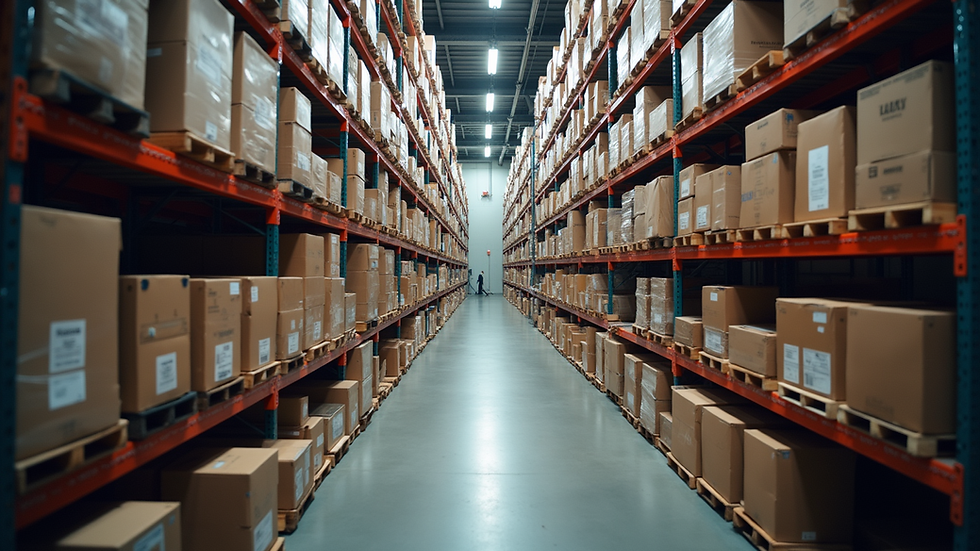
Full-service logistics encompasses a wide range of services designed to manage the entire supply chain process. This includes everything from transportation and warehousing to inventory management and order fulfillment. By outsourcing these functions to a logistics provider, businesses can focus on their core competencies while ensuring their products are delivered efficiently and on time.
Key Components of Full-Service Logistics
Transportation Management
This involves planning, executing, and optimizing the movement of goods. Effective transportation management ensures that products reach their destination in the most cost-effective and timely manner.
Warehousing Solutions
Warehousing is crucial for storing products before they are shipped to customers. Full-service logistics providers offer various warehousing options, including climate-controlled facilities and specialized storage for fragile items.
Inventory Management
Keeping track of inventory levels is essential for meeting customer demand without overstocking. Full-service logistics providers use advanced technology to monitor inventory in real-time, helping businesses make informed decisions.
Order Fulfillment
This process involves picking, packing, and shipping products to customers. A reliable logistics provider can streamline order fulfillment, reducing lead times and improving customer satisfaction.
Customs Brokerage
For businesses involved in international trade, customs brokerage is vital. Full-service logistics providers can navigate complex customs regulations, ensuring compliance and smooth cross-border transactions.
Benefits of Full-Service Logistics Solutions
Cost Efficiency
Outsourcing logistics can significantly reduce operational costs. By leveraging the expertise of a logistics provider, businesses can avoid the expenses associated with maintaining their own transportation fleet and warehouses. Additionally, logistics providers often have established relationships with carriers, allowing them to negotiate better rates.
Improved Focus on Core Business
By entrusting logistics to a specialized provider, businesses can concentrate on their core activities, such as product development and marketing. This focus can lead to increased innovation and growth.
Enhanced Customer Satisfaction
Timely delivery and accurate order fulfillment are critical for customer satisfaction. Full-service logistics providers use advanced technology to track shipments and manage inventory, ensuring that customers receive their orders on time and in perfect condition.
Scalability
As businesses grow, their logistics needs may change. Full-service logistics solutions offer the flexibility to scale operations up or down based on demand. This adaptability is essential for businesses looking to expand into new markets or adjust to seasonal fluctuations.
Access to Technology
Many logistics providers invest in cutting-edge technology to enhance their services. This includes advanced tracking systems, inventory management software, and data analytics tools. By partnering with a full-service logistics provider, businesses can benefit from these technologies without the need for significant investment.
Choosing the Right Full-Service Logistics Provider
Selecting the right logistics provider is crucial for maximizing the benefits of full-service logistics. Here are some key factors to consider:
Experience and Expertise
Look for a provider with a proven track record in your industry. An experienced logistics partner will understand the unique challenges you face and offer tailored solutions.
Range of Services
Ensure that the provider offers a comprehensive suite of services that align with your business needs. This may include transportation, warehousing, inventory management, and customs brokerage.
Technology Capabilities
Evaluate the technology used by the logistics provider. Advanced tracking systems and inventory management software can significantly enhance efficiency and transparency in your supply chain.
Customer Support
Strong customer support is essential for addressing any issues that may arise during the logistics process. Choose a provider that offers responsive and reliable support.
Cost Structure
Understand the provider's pricing model and ensure it aligns with your budget. Look for transparency in pricing and avoid hidden fees that could impact your overall costs.
Real-World Examples of Successful Full-Service Logistics
Case Study: E-commerce Retailer
An e-commerce retailer faced challenges with order fulfillment and inventory management. By partnering with a full-service logistics provider, they streamlined their operations, reducing order processing time by 30%. The provider implemented an advanced inventory management system, allowing the retailer to maintain optimal stock levels and improve customer satisfaction.
Case Study: Manufacturing Company
A manufacturing company struggled with transportation costs and delivery delays. By outsourcing their logistics to a full-service provider, they gained access to a network of carriers that offered competitive rates. This partnership resulted in a 20% reduction in transportation costs and improved delivery times, enhancing the company's reputation in the market.
Conclusion
Full-service logistics solutions offer businesses a powerful way to optimize their operations and improve overall efficiency. By outsourcing logistics functions, companies can focus on their core competencies while benefiting from cost savings, enhanced customer satisfaction, and access to advanced technology. When choosing a logistics provider, consider their experience, range of services, technology capabilities, customer support, and cost structure. By making an informed decision, you can position your business for success in today's competitive landscape.
As you explore full-service logistics solutions, consider how they can transform your operations and help you achieve your business goals. Take the next step by researching potential providers and evaluating how their services align with your needs.


Comments